

Top 10 Ways To Assess The Market Coverage Provided By Ai-Based Stock Predicting/Analyzing Platforms
When evaluating AI trading platforms that predict/analyze the market, coverage of the stock is a key aspect to think about. It determines what types of assets and markets are available. Market coverage is essential as it lets you diversify, explore global markets and to adapt various trading strategies. Here are the top 10 tips to determine the market coverage of these platforms.
1. Evaluate Supported Asset Classes
Stocks: Make sure the platform includes the major exchanges for stocks (e.g., NYSE, NASDAQ, LSE, HKEX) and also includes small-cap, large-cap, and mid-cap stocks.
ETFs – See the platform you use supports the wide range of ETFs which offer exposure in a number of diverse regions, sectors or themes.
Options and Futures: Check whether the platform allows derivatives such as options, futures and other products with leverage.
The commodities and forex. Check to see if there are forex pairs available, as well as precious metals, energy-related commodities and agricultural commodities.
Cryptocurrencies. Find out if they support the major altcoins and cryptocurrencies (e.g. Bitcoin, Ethereum).
2. Make sure you check the area of coverage
Global markets: The platform should be able to cover the major global markets, including North America and Europe, Asia-Pacific and emerging markets.
Regional focus: Verify whether the platform is focused on specific markets or regions that align with your trading interests.
Local exchanges: Check if your platform supports local and regional exchanges relevant to your business or your strategy.
3. Assessment Real-time against. Data that is delayed
Real-time Data: Make sure that the platform has real-time data for trading and to make timely decisions.
Data that is delayed: Find out if delayed data is available for free or at a cheaper cost. This could be enough for long-term investors.
Data latency. Find out if your platform minimizes latency in real-time data feeds.
4. Examine the historical availability of data
The breadth and depth of historical data: Ensure that the platform has extensive historical data (e.g. for at minimum 10 years) to allow backtesting.
Granularity: Verify if the historical data includes intraday granularity, as well in weekly, daily and monthly.
Corporate actions: Find out if the historical information includes stock splits and dividends.
5. Examine Market Depth and Order Book Data
Level 2 data: Make sure the platform provides Level 2 information (order book depth) for improved price discovery and execution.
Make sure that your platform is showing real-time price spreads.
Volume data: Ensure that the platform has detailed data regarding volume that can be used to analyse market activity and liquidity.
6. Examine the coverage of Indices and Sectors
Major indices: Make sure the platform supports major indexes (e.g., S&P 500, NASDAQ 100, FTSE 100) to benchmark and index-based strategies.
Industry-specific data If you’re looking to do a targeted analysis, check if there is data available for certain sectors.
Customized indices. Verify that the platform allows you to create and monitoring custom indices based on your needs.
7. Test the integration of News and Sentiment Data
News feeds – Ensure your platform includes real-time, market-driven news feeds (e.g. Bloomberg, Reuters).
Sentiment analysis: Check whether the platform has sentiment analysis tools based on news media, social media or other sources of data.
Event-driven strategy: Make sure that the platform supports event driven trading strategies (e.g. announcements of earnings economic reports, announcements of earnings).
8. Verify Multi-Market Trading Capabilities
Cross-market trading: Make sure that the platform is able to trade across a variety of markets and asset classes through a single interface.
Currency conversion: Check if your platform supports multiple-currency trading and automated currency conversion.
Verify that you are in compliance with time zones.
9. Review the coverage of other sources
Alternative data: Check if the platform integrates alternative data sources (e.g., satellite imagery or credit card transactions) for unique insight.
ESG Data: Check to see if there are any environmental, social or governance (ESG data) on the platform for socially-responsible investing.
Macroeconomic data: Ensure that the platform has macroeconomic indicators to conduct fundamental analysis (e.g. GDP and inflation rates, as well as interest rates).
Review Feedback from Customers and Market Reputation
User reviews: Look for reviews from users to get a feel for the platform.
Industry reputation: Verify whether the platform has been acknowledged by experts in the industry for its market coverage.
Case studies: Check for case studies, testimonials and other information that highlights the platform’s effectiveness on specific markets or asset categories.
Bonus Tips
Trial period: Use a free trial or demo to evaluate the market coverage and data quality.
API access: Check if your platform’s API can access market data programmatically to run custom analyses.
Customer Support: Ensure that the platform can assist with any issues related to data or market issues.
Follow these tips to evaluate the market coverage offered by AI stock trading platforms. Choose a platform with access to the market, data and tools you need to make trading successful. Comprehensive market coverage enables you to diversify your portfolio, explore new opportunities and be able to adapt to changing market conditions. Check out the top one-time offer on incite for website info including best ai trading app, options ai, best AI stock, trading ai, ai for stock predictions, ai investing app, ai trading, ai trading tools, incite, AI stocks and more.
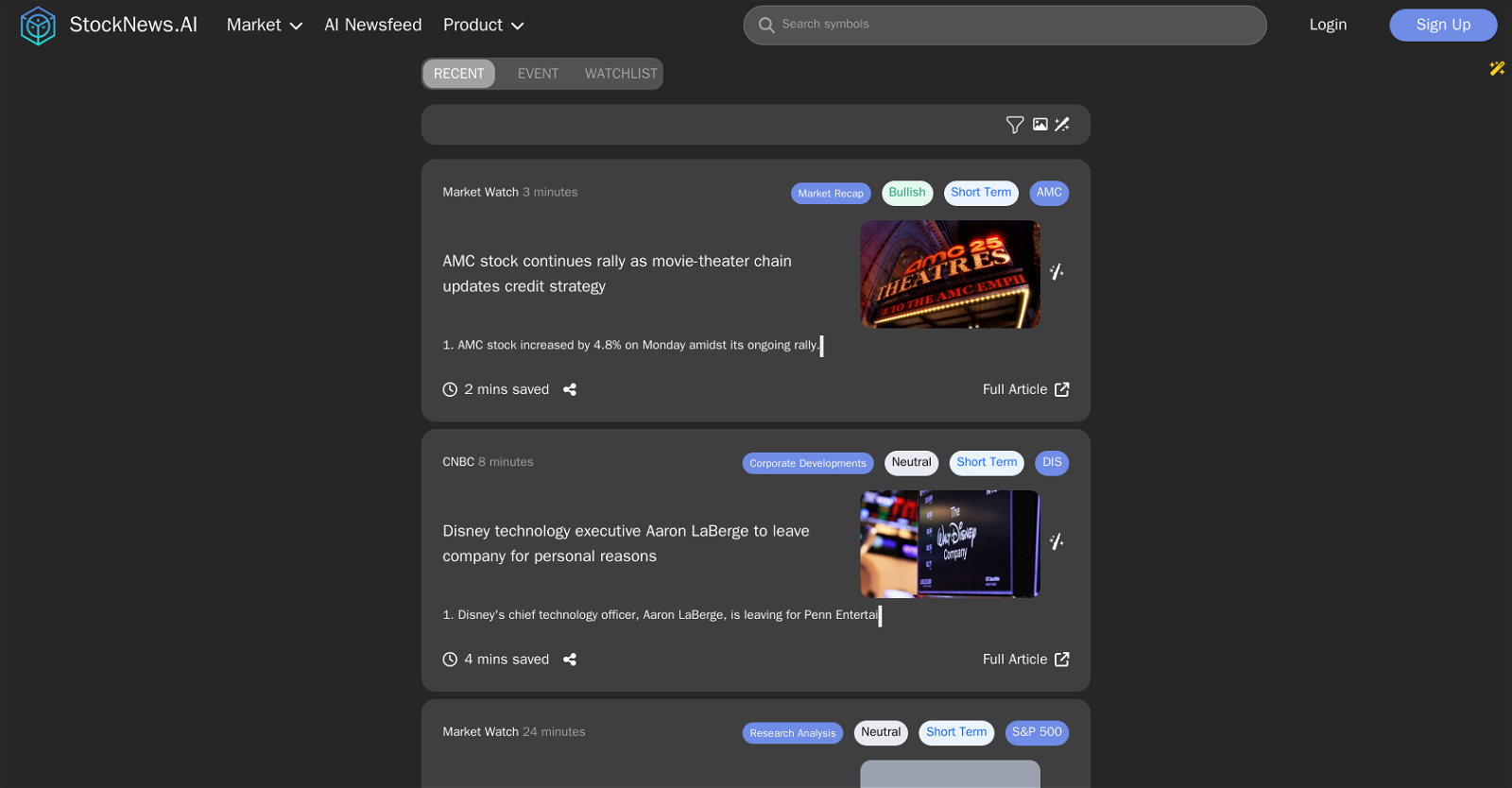
Top 10 Tips For Evaluating The Social And Community Features Of Ai Stock Predicting/Analyzing Trading Platforms
Understanding how people share information, interact and learn is crucial in understanding the AI-driven trading as well as stock prediction platforms. These features can enhance the user experience and offer valuable assistance. These are 10 top suggestions to evaluate the social and community aspects of such platforms:
1. Active User Community
Tips – Make sure the platform is backed by a user base active in engaging in regular discussions, sharing their insights and feedback.
Why an active community? A community that is active indicates a vibrant environment where users are able to develop and learn from each other.
2. Discussion Forums & Boards
Tips: Assess the level of activity and quality of discussion forums and message boards.
Why: Forums are a fantastic way for users to share thoughts, debate trends, and ask questions.
3. Social Media Integration
Tip: Check how your platform works with other social media platforms like Twitter and LinkedIn to allow sharing of news and information.
Why social media integration can boost engagement and give actual-time market information.
4. User-Generated content
Find tools that let you share and create information like blogs, articles or trading strategies.
Why? User-generated content promotes collaboration and provides different perspectives.
5. Expert Contributions
TIP: Find out if the platform has contributions from industry experts for example, market analysts or AI experts.
Why? Expert insight adds credibility and depth to discussions in the community.
6. Chat and real-time messaging
Tip: Evaluate the availability of real-time chat or messaging features to allow instant messaging between users.
What’s the reason? Real-time interactions allow for quick information exchange and collaborative work.
7. Community Moderation and Support
Tip – Assess the moderated and support within your local community.
What’s the reason? Effective moderating will ensure that a positive and respectful atmosphere is maintained. user support resolves issues quickly.
8. Events and Webinars
Tip: See if your platform hosts Q&A sessions, live sessions or webinars.
What are the benefits: These events offer the opportunity to interact directly and interaction with professionals from the industry.
9. User Reviews and Feedback
Consider options that offer users to submit reviews and feedback on the platform as well as the community functions it offers.
The reason: Feedback from users helps to identify strengths and improvement areas in the ecosystem.
10. Gamification and Rewards
Tips. Check whether the platform has gamification features (e.g. leaderboards, leaderboards and badges) as well as rewards for active engagement.
Gamification is an effective tool that can encourage users to engage more closely with their communities and the platform.
Bonus Tip – Privacy and Security
Check that all community and social features are backed by strong security and privacy features to safeguard users’ information and other interactions.
By evaluating these factors, you can decide if an AI-based stock prediction and trading platform provides positive community that will improve your trading experience. Follow the top redirected here about chart analysis ai for more examples including stock predictor, AI stock investing, ai investment tools, ai options, investing with ai, ai options trading, AI stock prediction, ai trading tool, AI stock price prediction, stock predictor and more.
